Understanding Tanknotdusche für Industrie: Features and Benefits
In industrial environments, the necessity for safety equipment that can respond to emergencies cannot be overstated. Among the critical components of workplace safety, a Tanknotdusche für Industrie serves as a life-saving device designed to provide immediate decontamination during chemical spills or exposure to hazardous substances. This article delves into the various features and benefits of emergency shower systems specifically designed for industrial applications.
1. What is a Tanknotdusche für Industrie?
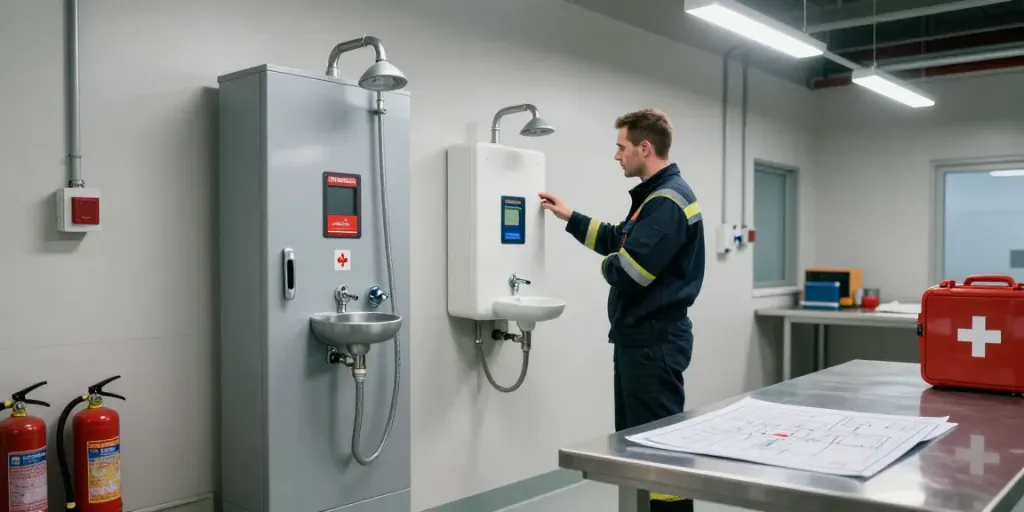
A Tanknotdusche, or emergency shower with a tank, is a system engineered to deliver a large volume of water quickly and effectively in the event of an accident involving hazardous materials. These showers are crucial in environments such as chemical plants, laboratories, and other industrial sites where workers may be exposed to dangerous substances. They often integrate with eye wash stations, allowing for comprehensive decontamination.
2. Key Features of Emergency Shower Systems
Emergency showers, including Tanknotduschen, come with several essential features that enhance their effectiveness:
- Water Supply: Typically, these systems are connected to a tank that can hold anywhere from 100 to 2000 liters of water, ensuring an adequate supply for immediate use.
- Flow Rate: A minimum flow rate of 75.7 liters per minute is standard, enabling rapid decontamination.
- Temperature Control: In extreme climates, systems may include heating or cooling units to maintain water temperature within safe limits.
- Accessibility: Emergency showers are designed for quick activation, often featuring hands-free controls to allow users to operate them while still in distress.
3. The Importance of Compliance with Safety Standards
Compliance with national and international safety standards, such as EN and ANSI regulations, is crucial for the functionality and reliability of Tanknotduschen. These standards ensure that the units are designed and maintained properly. Regular inspections and maintenance are required to ensure compliance and reliability during emergencies.
Selecting the Right Type of Emergency Shower
Choosing the right Tanknotdusche for your industry involves several considerations, including the specific hazards present at your site and the environmental conditions that may affect the equipment's performance.
1. Comparing Different Tanknotdusche für Industrie Models
Not all Tanknotduschen are created equal. They come in various models tailored to different industrial applications. For instance, some models are portable, allowing for flexible installation, while others are stationary and designed for specific locations within a facility. Understanding the differences between these models can help organizations select the most suitable option for their needs.
2. Factors to Consider: Location and Environment
The placement of emergency showers is critical. Factors such as proximity to potential hazards, accessibility, and the layout of the facility must be taken into account. In outdoor environments, for instance, it is essential to consider weatherproofing and insulation to prevent freezing.
3. Customization Options for Specific Industry Needs
Many manufacturers offer customization options for Tanknotduschen, accommodating unique industrial requirements. This may include additional features such as:
- Integrated lighting for visibility in low-light conditions.
- Acoustic alarms to alert personnel during use.
- Additional storage for personal protective equipment (PPE) nearby.
Installation and Maintenance Best Practices
The installation and maintenance of Tanknotduschen are critical to their operation and longevity. Adhering to established guidelines can ensure functionality when needed most.
1. Guidelines for Installing Tanknotdusche für Industrie
Proper installation involves selecting a suitable location that is easily accessible and visible. It is also important to follow the manufacturer's guidelines for plumbing and electrical requirements to maintain compliance with safety standards.
2. Regular Maintenance to Ensure Compliance
Regular maintenance checks should be scheduled to verify that the Tanknotdusche is functioning correctly. This involves:
- Inspecting the water supply and ensuring there are no leaks.
- Testing the flow rate to confirm adequate water delivery.
- Cleaning the unit to prevent contamination.
3. Common Issues and Troubleshooting Tips
Common issues that may arise with Tanknotduschen include blocked nozzles, low water pressure, and malfunctioning valves. Troubleshooting these issues promptly can prevent downtime and ensure that the units are ready for use in an emergency.
Training and Compliance in Workplace Safety
The effectiveness of any safety equipment is heavily reliant on proper training and compliance with safety protocols in the workplace.
1. Employee Training for Emergency Procedures
Training employees on how to use Tanknotduschen and other emergency equipment is imperative. Regular training sessions should cover:
- How to activate the shower efficiently.
- When to use the shower and what to do afterward (e.g., medical attention).
2. Importance of Regular Safety Drills
Conducting regular safety drills helps prepare employees for emergency situations. These drills ensure that staff is familiar with the location of the Tanknotdusche as well as the proper use of safety showers.
3. Understanding Local Regulations and Compliance
Employers must stay informed about local regulations regarding workplace safety equipment. This includes understanding inspection requirements and maintaining appropriate documentation to demonstrate compliance.
Future Trends in Emergency Safety Equipment
As industries evolve, so do the technologies surrounding emergency safety equipment. Understanding these trends can help organizations prepare for the future.
1. Innovations in Tanknotdusche für Industrie Technology
Expect continued advancements in Tanknotduschen technology, including improved materials that resist corrosion and more efficient water delivery systems that minimize waste.
2. Sustainable Practices in Safety Equipment Manufacturing
As sustainability becomes a priority, manufacturers are likely to focus on using eco-friendly materials and practices in producing Tanknotduschen. This includes designing systems that require less water and energy.
3. Preparing for Regulatory Changes in 2026
With anticipated changes in safety regulations by 2026, organizations must prepare by ensuring their emergency systems are compliant with evolving standards. Staying ahead of these changes can mitigate risks and ensure worker safety.
What certifications do Tanknotdusche für Industrie need?
Tanknotduschen must meet various certifications to demonstrate compliance with safety regulations, including EN and ANSI standards. These certifications ensure that the systems are safe for use in industrial environments.
How often should emergency showers be tested?
Emergency showers should be tested at least once a month to ensure they are functioning correctly. These tests should include checking the water flow rate and inspecting for any physical damage.
Can Tanknotdusche für Industrie be customized for specific industries?
Yes, many manufacturers offer customization options to cater to specific industrial needs, including the addition of features that enhance usability and safety based on the unique hazards present in different environments.
What are the most common features of these emergency showers?
Common features include adjustable flow rates, temperature control, integrated eye wash stations, and various activation mechanisms to facilitate easy use during emergencies.
What are the best practices for maintaining emergency showers?
Maintenance best practices include regular inspections, cleaning of nozzles to avoid blockages, testing functionality, and ensuring the water supply is adequate and free of contaminants.