
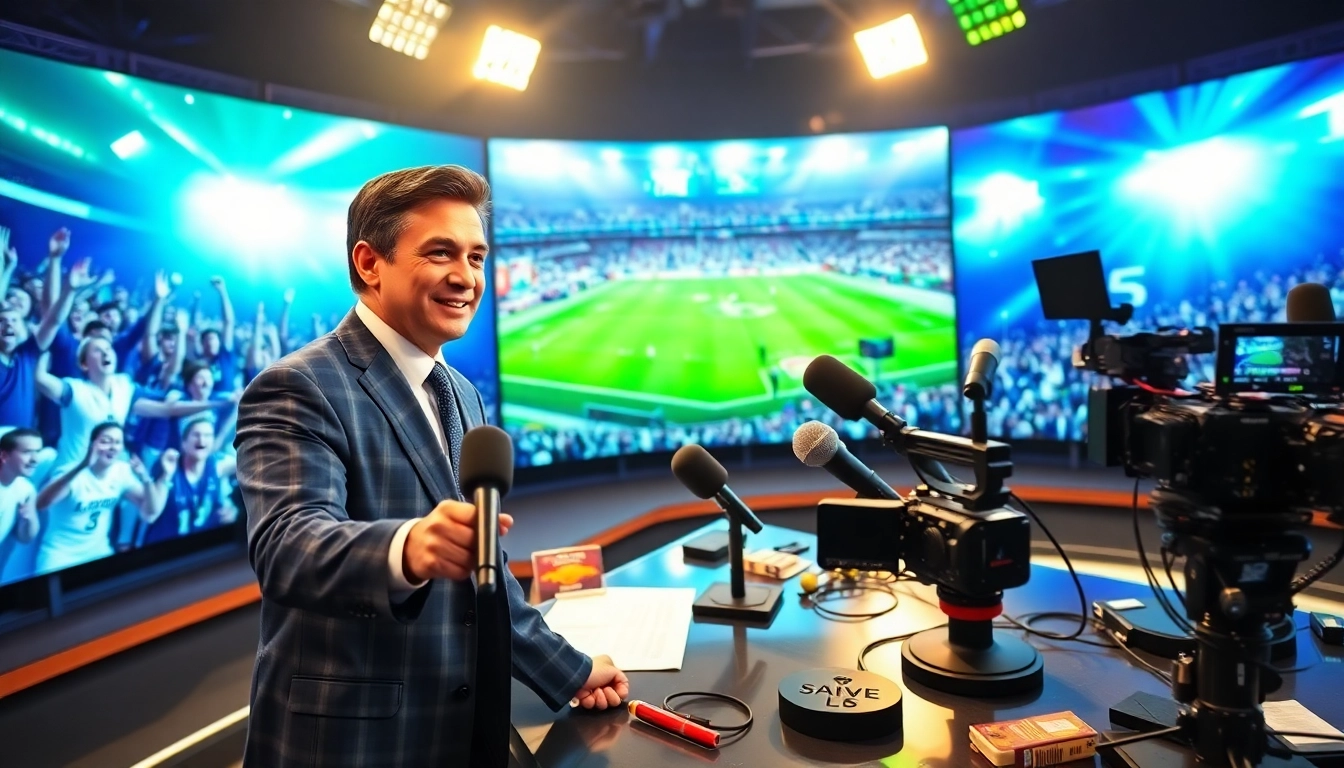
Introduction to Sports Broadcasting
Sports Broadcasting is an essential component of the sporting world, connecting athletes with fans around the globe. It encompasses the transmission of sports events via television, radio, and digital platforms, providing audiences with a way to engage with their favorite teams and athletes. With the rise of technology and the internet, Sports Broadcasting has evolved significantly, changing how sports are consumed and experienced.
Understanding the Basics of Sports Broadcasting
At its core, sports broadcasting involves the live or recorded transmission of sporting events to an audience. This can be achieved through various mediums, including cable, satellite, terrestrial television, and online streaming services. The primary objective is to provide game coverage, highlight reels, expert commentary, and post-match analysis, enhancing the overall experience for viewers.
Sports broadcasters often face unique challenges, including the need to deliver high-quality, real-time coverage amidst factors like weather conditions, equipment failure, or unforeseen events like injuries. Success in this field relies on effective communication skills, technical knowledge, and the ability to foster a connection with the audience.
The Role of Technology in Sports Broadcasting
Technology plays a pivotal role in the transformation of Sports Broadcasting. Innovations in broadcasting techniques have revolutionized how events are captured and disseminated. High-definition (HD) and ultra-high-definition (UHD) broadcasts deliver crystal-clear images, while advancements in audio engineering enhance the viewing experience through immersive sound quality.
Additionally, technologies such as cloud computing have enabled broadcasters to store and access vast amounts of video data, facilitating quick and efficient highlights and replays. Drones and robotic cameras are now used for capturing aerial views and dynamic angles that offer new perspectives on games. Moreover, artificial intelligence (AI) is increasingly utilized to generate real-time statistics and insights, enriching the commentary and analysis during broadcasts.
Key Players in the Sports Broadcasting Landscape
The sports broadcasting landscape is populated by a variety of key players, each contributing to its dynamic nature. Major networks like ESPN, NBC Sports, and Turner Sports hold significant influence, often negotiating exclusive broadcasting rights for high-profile events such as the Super Bowl, Olympic Games, and NBA Finals.
In addition to established networks, digital platforms like YouTube, Twitch, and various streaming services have emerged as formidable competitors. These platforms target younger demographics and frequently utilize influencer partnerships to reach audiences effectively. With the growing trend toward consumer preference for online content, the competition among broadcasters has intensified, pushing them to innovate constantly and enhance the viewer experience.
Strategies for Effective Sports Broadcasting
To succeed in this competitive and evolving arena, broadcasters must implement effective strategies that engage audiences while delivering high-quality content. Below are essential techniques to enhance Sports Broadcasting.
Engagement Techniques for Viewers
Viewer engagement is paramount in sports broadcasting. Techniques such as interactive graphics, viewer polls during live broadcasts, and behind-the-scenes content can captivate audiences, making them feel more connected to events. Utilizing storylines around players and teams creates emotional connections, enhancing viewer loyalty. Additionally, incorporating fan-generated content into broadcasts can further engage audiences and make them feel like active participants in the viewing experience.
Leveraging Social Media for Sports Broadcasting
Social media has transformed how sports content is delivered and consumed. Broadcasters must actively engage with social media platforms to not only interact with fans but also to deliver real-time updates, highlights, and commentary. Platforms like Twitter and Instagram allow for rapid dissemination of information, fostering discussions and amplifying events as they unfold.
Incorporating hashtags, running contests, and engaging with fans through live Q&A sessions can enhance social media presence, creating a vibrant online community around sports events. By leveraging the power of social media, broadcasters can reach larger audiences and drive viewers back to their main broadcasting channels.
Real-time Interactivity with Audiences
Real-time interactivity elevates the broadcast experience to new heights. Technologies such as augmented reality (AR) allow broadcasters to present supplementary information on-screen while games are ongoing, enriching viewers' understanding of the action. Tools like live chat during matches enable fans to share thoughts in real time, fostering camaraderie among viewers.
Furthermore, providing interactive features like instant replays or viewer choice on camera angles and statistics allows fans to personalize their experience, leading to increased satisfaction and loyalty to the broadcast.
Analyzing Viewership Metrics
Understanding audience behaviors and preferences is crucial for tailoring Sports Broadcasting to meet viewer demands. Proper analysis of viewership metrics is essential for driving programming decisions and enhancing engagement.
Understanding Ratings and Audience Reach
Ratings serve as a primary indicator of how well a broadcast is performing. They assess the number of viewers and help broadcasters identify trends, peak viewing times, and popular content. Understanding demographics—including age, gender, and geographic location—allows broadcasters to create content that resonates with targeted audiences, thereby maximizing reach.
Additionally, subscription rates for streaming platforms and social media engagement metrics provide further insight into audience preferences, allowing broadcasters to refine their programming strategies. Tools such as Nielsen ratings and various analytic models help in tracking these metrics accurately.
Tools for Measuring Engagement
Many tools are available for measuring audience engagement in sports broadcasting. Analytics platforms offer insights into viewer behavior, such as time spent on broadcasts, clicks on interactive features, and social media interactions. Tracking these metrics provides crucial feedback for broadcasters to refine their strategies.
Moreover, post-event surveys and feedback loops can inform broadcasters about viewer satisfaction, preferences for programming, and areas for improvement. Utilizing these tools ensures that broadcasters remain tuned to their audience's needs and desires.
Adjusting Content Based on Viewership Feedback
Feedback from viewers is invaluable for shaping future broadcasts. Broadcasters must conduct thorough analysis and utilize feedback to adjust content effectively. This could include altering programming schedules, changing commentary styles, or integrating more interactive elements into broadcasts based on audience preferences.
Establishing a strong feedback mechanism aids in identifying what resonates with viewers, which in turn enhances engagement and ensures a loyal audience base. This iterative process of refinement is essential for staying relevant in a competitive market.
Emerging Trends in Sports Broadcasting
The landscape of sports broadcasting is continually evolving, driven by technological advancements and changing viewer expectations. Understanding and adapting to emerging trends is crucial for broadcasters seeking to maintain a competitive edge.
The Impact of Streaming Services on Sports Broadcasting
Streaming services have disrupted traditional broadcasting methods, offering viewers the flexibility to watch content on their terms. With platforms like ESPN+, DAZN, and Amazon Prime integrating sports into their offerings, audiences can consume a variety of events across devices while enjoying the benefits of on-demand viewing. This shift has compelled traditional broadcasters to invest in their streaming capabilities to retain viewers.
In this environment, broadcasters must determine their unique value propositions—whether through exclusive content, enhanced viewing experiences, or innovative technology—to differentiate themselves from streaming competitors.
Incorporating VR and AR in Sports Broadcasts
Virtual reality (VR) and augmented reality (AR) are transforming the sports broadcasting experience as they enable immersive viewer engagement. VR allows fans to experience games as if they were attending in person, while AR adds layers of information to live broadcasts, enriching the narrative and understanding of the event.
Incorporating these technologies can create new revenue opportunities through virtual advertisements and enhanced fan experiences, making broadcasts more interactive and engaging for audiences.
Sustainability Practices in Sports Broadcasting
As global awareness of environmental issues grows, sustainability practices are increasingly important in sports broadcasting. Emphasizing eco-friendly practices can elevate brand image and cultivate a positive connection with audiences who value sustainability.
Examples include minimizing the carbon footprint of broadcast operations, using sustainable materials for on-site facilities, or leveraging digital platforms to reduce the need for physical distribution. By incorporating sustainability into their operations, broadcasters can engage with socially conscious consumers while promoting a positive brand ethos.
Conclusion and Future Directions in Sports Broadcasting
The future of Sports Broadcasting will undoubtedly be shaped by technological innovations and the evolving preferences of viewers. Embracing these changes is imperative for broadcasters to remain relevant and competitive.
Adapting to Changing Audience Preferences
As audience preferences continuously shift towards personalized and interactive experiences, broadcasters must remain agile and willing to adapt their offerings. This may involve investing in new technologies, refining content strategies, and producing diverse formats that cater to varied interests.
Engaging with audiences through feedback mechanisms, social media interactions, and trending topics reinforces broadcasters’ commitments to evolving with their viewers.
Innovating Content Delivery Methods
Innovating content delivery methods will be key in the coming years. Broadcasters should explore experimenting with formats, such as shorter highlight clips or real-time analytics integrated into broadcasts, to cater to audiences’ changing preferences. Emphasizing mobile-friendly content will also be crucial as more users turn to their smartphones for sports updates and engagements.
Future Challenges for the Sports Broadcasting Industry
The challenges facing the sports broadcasting industry are diverse. From navigating changing consumer behaviors and competition with streaming services to adapting to technological advancements, broadcasters must remain proactive in finding solutions for sustainability and innovation.
Building adaptive infrastructures, enhancing content integrations, and prioritizing audience engagement will be central to overcoming these challenges and capitalizing on future opportunities in this dynamic field.
Frequently Asked Questions
What is Sports Broadcasting?
Sports Broadcasting involves transmitting live or recorded sports events to an audience through various media such as television, radio, or online platforms.
How has technology changed Sports Broadcasting?
Technology has transformed Sports Broadcasting by enabling high-definition video, real-time statistics, and immersive experiences through VR and AR, enhancing viewer engagement.
What strategies improve viewer engagement?
Strategies to improve viewer engagement include interactive graphics, viewer polls, behind-the-scenes access, and leveraging social media interactions to foster connections.
How are audience metrics measured?
Audience metrics are measured using tools like Nielsen ratings, audience analytics platforms, and social media engagement statistics which track viewership and interaction.
What trends are shaping the future of Sports Broadcasting?
Trends shaping the future include the impact of streaming services, integration of VR and AR technologies, and an increased focus on sustainability in broadcasting practices.