Understanding IPTV Servers: What You Need to Know
In the rapidly evolving world of digital entertainment, IPTV servers have emerged as a game-changer, allowing viewers to access a vast array of television channels and streaming content over the internet. Unlike traditional cable or satellite TV, IPTV (Internet Protocol Television) delivers content using internet protocols, providing flexibility, choice, and convenience to users. This article delves into what an IPTV server is, its key features, how it works, and what you should consider when choosing the right server to enhance your viewing experience in 2026.
What is an IPTV Server?
An IPTV server is a platform that streams television programs and videos over the internet. It works by converting the video content into data packets, which are then transmitted over the internet to viewers' devices. This allows for a range of services, including live TV, video-on-demand, and catch-up TV, all accessible through compatible devices like smart TVs, computers, tablets, and smartphones. When exploring options, IPTV Server provides comprehensive insights into available services and features for users across Germany.
Key Features of Quality IPTV Servers
- High-Quality Streaming: Look for servers that offer streaming in HD, Full HD, and even 4K resolution to enjoy crisp visuals.
- Extensive Channel Selection: Quality IPTV services provide access to thousands of channels, including local, national, and international content.
- User-Friendly Interface: A well-designed interface enhances the user experience, making it easy to navigate and find content.
- Multi-Device Compatibility: Check if the IPTV server supports various devices and platforms for seamless viewing.
- Customer Support: Reliable customer support is crucial for resolving any issues that may arise during setup or use.
How IPTV Servers Work Together
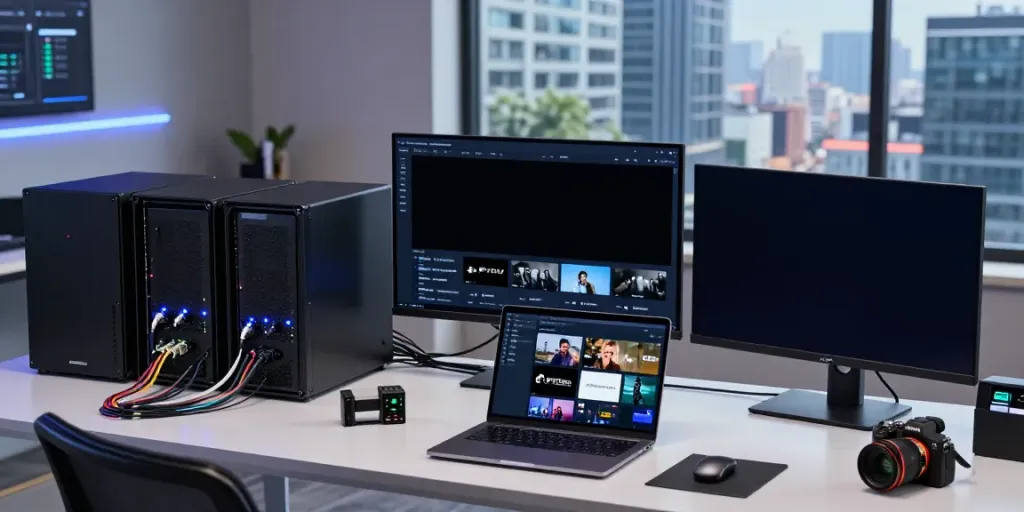
IPTV servers operate on a client-server model where the server hosts the media content, and clients access this content via internet connections. The server encodes video files, stores them, and then streams them to users on-demand or live. This setup enables multiple users to access different content simultaneously without interference. Additionally, the use of a Content Delivery Network (CDN) can enhance performance by distributing the load across various servers, decreasing buffering, and improving streaming quality.
Choosing the Right IPTV Server for Your Needs
With numerous IPTV options available, selecting the right server can be daunting. Understanding your specific needs and preferences is crucial in making an informed decision. Various factors play a pivotal role in determining which IPTV server will best suit your requirements.
Factors to Consider When Selecting an IPTV Server
- Content Variety: Assess the range of channels and content available, including sports, movies, and international programming.
- Price Structure: Understand the pricing models, which can range from pay-per-view to subscription-based services.
- Device Compatibility: Ensure that the IPTV server works with all your devices, such as smart TVs, smartphones, and tablets.
- Internet Requirements: Check the minimum internet speed needed for optimal streaming quality without interruptions.
- User Reviews and Reputation: Investigate user experiences and feedback to gauge the reliability of the IPTV provider.
Comparing Different IPTV Server Options
When evaluating different IPTV servers, consider creating a comparison chart to weigh the pros and cons of each option. Look at features such as channel availability, user interface, customer service, and pricing. Additionally, taking advantage of trial periods can help you ascertain the quality of service before committing to a subscription.
IPTV Server Pricing: What to Expect
Pricing for IPTV servers varies widely based on features and the number of channels offered. Most providers offer tiered pricing models based on subscription lengths—monthly, annual, or bi-annual. On average, monthly subscriptions may range from €10 to €40, while annual plans can provide substantial savings. It’s worth comparing different plans and assessing their value against the content provided.
Setting Up Your IPTV Server: A Step-by-Step Guide
Setting up an IPTV server involves several critical steps to ensure that users enjoy a seamless streaming experience from the get-go. Whether you’re tech-savvy or a beginner, the following guide will help simplify the process.
Preparing Your Hardware and Software
- Hardware Requirements: Ensure your device meets the minimum specifications required for the IPTV service.
- Software Installation: Download and install any necessary apps or media players recommended by your IPTV provider.
- Internet Connection: Ensure a stable and fast internet connection—preferably using Ethernet for optimal speed and reliability.
Installation and Configuration of Your IPTV Server
Follow the installation instructions provided by your IPTV service, which may involve configuring settings in the app or software. This usually includes setting up your user account, adding channels, and customizing your preferences such as language and subtitles. Ensuring proper configuration is critical for the smooth operation of the IPTV server.
Testing and Optimizing Your IPTV Setup
After installation, perform tests to ensure that the service works as expected. Check for buffering issues, picture quality, and audio synchronization. If there are problems, troubleshooting steps may include adjusting internet settings, optimizing your Wi-Fi network, or contacting customer support for assistance.
Maximizing Performance with IPTV Servers
To ensure that your IPTV server delivers the best possible performance, it's essential to understand common challenges and implement best practices to mitigate them.
Common Challenges with IPTV Servers
- Buffering: Limited bandwidth or network congestion can lead to buffering issues during streaming.
- Channel Availability: Occasionally, channels may be inaccessible due to rights management or server outages.
- A/V Sync Issues: Problems with audio-video synchronization can detract from the viewing experience.
Best Practices for Reliable Streaming
To enhance your IPTV experience, consider the following best practices:
- Regularly test your internet speed to ensure it meets the minimum requirements.
- Use a wired connection whenever possible to avoid Wi-Fi interference.
- Keep your devices and software updated to benefit from performance enhancements and security updates.
- Limit the number of devices using the same network during peak viewing times.
Monitoring and Maintaining Your IPTV Server
Regular monitoring and maintenance of your IPTV server setup can aid in identifying issues before they affect your viewing experience. Utilize tools to track bandwidth usage, network performance, and channel availability to ensure consistent service quality.
The Future of IPTV Servers in 2026 and Beyond
As technology advances, the IPTV landscape is set to evolve significantly. Staying informed about emerging trends and predictions will help users adapt to changes and maximize their entertainment experiences.
Emerging Trends in IPTV Technology
- Artificial Intelligence Integration: AI is poised to enhance content personalization and recommendation systems for users.
- Enhanced User Interfaces: Expect more intuitive interfaces that streamline content discovery and access.
- Cloud-Based Services: These services will allow for greater scalability and improved streaming quality.
Predictions for IPTV Servers in the Next Five Years
Industry experts predict that by 2026, IPTV servers will provide even more diverse content offerings, including augmented reality experiences and interactive viewing options. Streaming quality will improve with advancements in bandwidth and server infrastructure, enabling more viewers to enjoy high-definition content without interruption.
How to Stay Ahead in the IPTV Landscape
To remain competitive in the IPTV market, service providers will need to invest in customer experience, offering tailored services and responsive support. For users, staying informed about the latest developments and utilizing trial periods can ensure they maximize their viewing options.
What Are the Advantages of Using IPTV Servers?
- Flexibility: IPTV servers allow viewers to access content on various devices at any time.
- Cost-Effectiveness: With competitive pricing models, users can often find more affordable options compared to traditional TV subscriptions.
- Content Variety: IPTV servers often provide a broader selection of channels and programs than traditional TV services.
How to Choose the Best IPTV Server for Your Needs?
Selecting the best IPTV server involves assessing your specific viewing habits and preferences. Consider channel needs, budget constraints, and device compatibility to find a service that provides the best value for your needs.
Are IPTV Servers Legal and Safe to Use?
While most IPTV servers operate within legal frameworks, it is crucial to choose reputable providers that comply with copyright laws. Understanding the legal implications of using IPTV services is essential to avoid potential issues.
What Are the Most Common Challenges of IPTV Servers?
Common challenges include network strain leading to buffering, compatibility issues with devices, and varying quality of service. Addressing these challenges requires both technical understanding and proactive management of your IPTV setup.
How to Optimize Your IPTV Server for Maximum Performance?
To optimize performance, regularly update your software, use wired connections when possible, and choose servers that offer robust customer support. For more information, IPTV Server offers valuable insights. Monitoring performance metrics can also help you identify areas needing improvement.